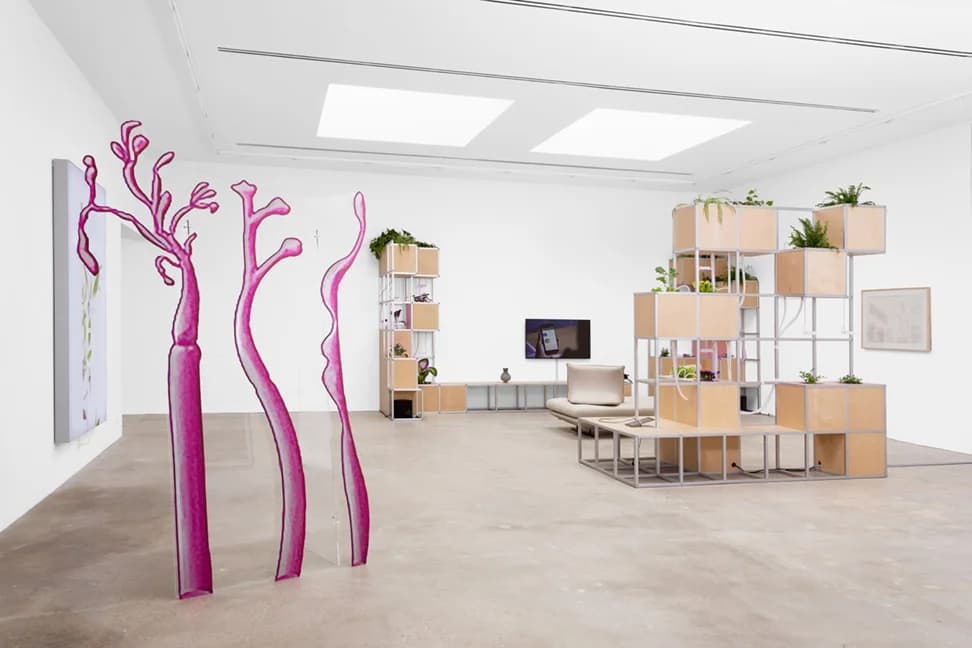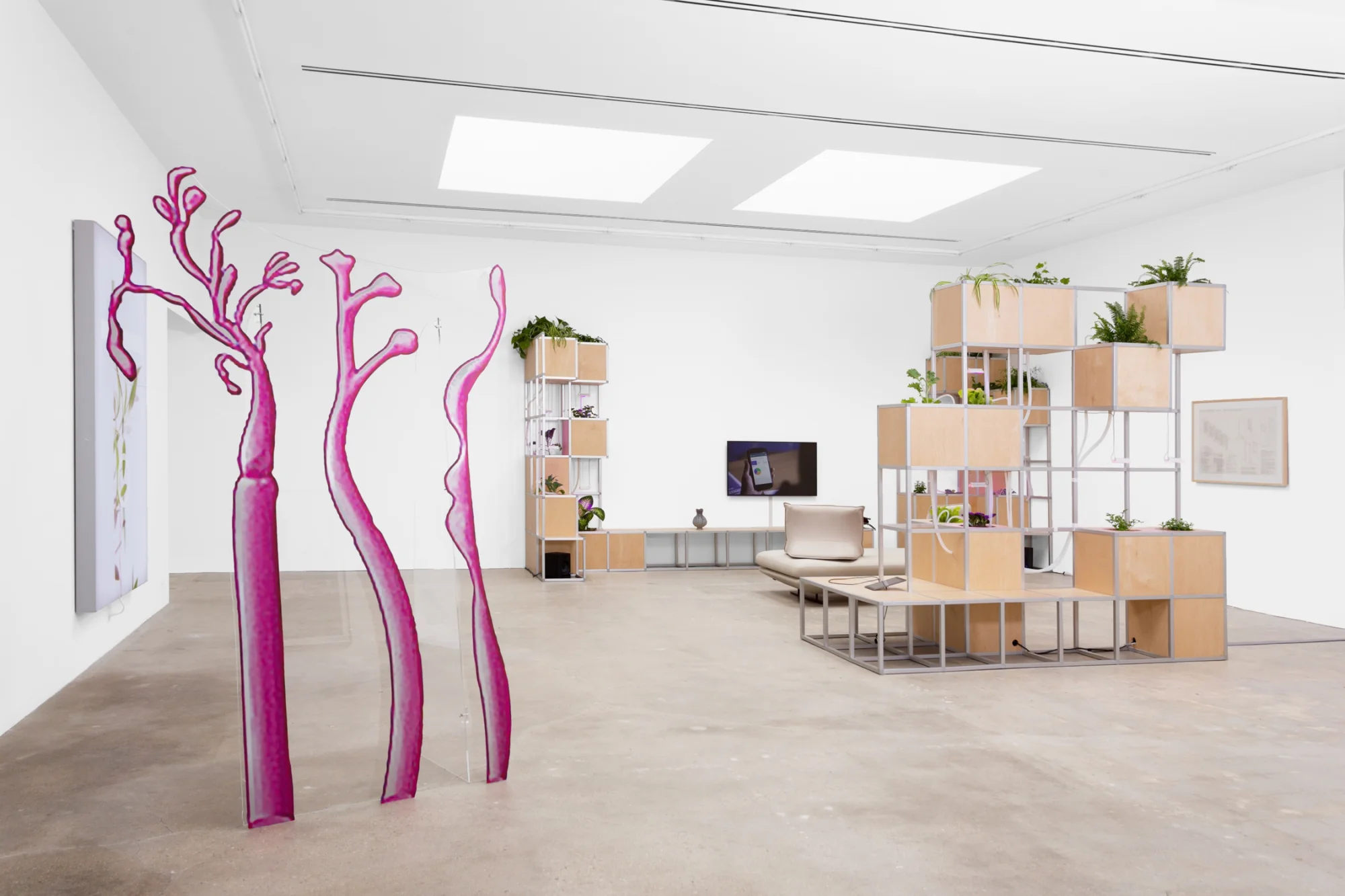
The Aymara, an indigenous people native to the Andes mountains, maintain in their language a spatial conception of time distinct from the global mainstream. Whereas in most cultures the future is conceptualized as ahead of the ego, with the past behind it, for the Aymara the opposite is true – they believe that the past stands in front of us as we move through the world while the future trails behind us.¹
The Aymara also speak of Pachakuti, an event roughly translated as “world reversal”: a wide-reaching state change akin to a cosmic polarity shift.² It seems increasingly plausible that we are in the midst of such a reversal today. The once-familiar cluster of ideologies and social assemblages constituting our liberal democratic order feels increasingly alien and divorced at base from our present reality, while the new appears to us in the skeuomorphic garb of the old (for now, at least). Just as the God of Abraham is said to have once coded the world into being, vast computational systems now terraform our world from the inside out – but in whose image?³
up the river down the tide models this emergent sensibility by interweaving three distinct artistic standpoints. DIS’s contribution to the exhibition confronts viewers with a system of photographic image production, the logic of which has been rewired for the age of SEO. Their series Image Life re-presents authentically generic incidents – image cultures that serve to soften reality and turn our economic, political, cultural, and emotional landscape into saleable products that are representational yet infinitely versatile.
Katja Novitskova takes a biotechnical approach for an encounter with non-human ecologies: banal monuments to ‘C.